NORTH OF THE NOISE
A STORY OF TRUST, ENDURANCE, AND THE FREEDOM TO DRAW MY OWN LINE AGAIN.
Words: Ydwer van der Heide / Photography: Arnaud MallezIn the frozen blue light of northern Norway, I returned to skiing in a way I never expected. This is the story of learning to trust my body again, trusting others when it mattered, and finding freedom on a mountain I couldn’t climb alone.
The return of anticipation
There’s something special about wanting something so badly that it almost feels out of reach, and that feeling returned to me with winter. The mountains, the shifting horizons, the cold air that burns a little but also clears everything at the same time all came back in a slow, steady wave. I missed the dense snowflakes, the kind that fall so heavily they create their own quiet. I missed the silence that doesn’t just sit around you, but feels like it listens back. And underneath all of that, I missed the rush, the speed, the simple feeling of carving through snow and time at once.
After my accident, I thought that part of my life was gone for good. But I learned pretty quickly that the desire to be on a mountain doesn’t disappear just because your body has changed. When I discovered adaptive skiing, something inside me switched back on. It wasn’t loud or dramatic, more like a steady flame coming back to life. The mountains were still there, waiting for me to find a new way up.
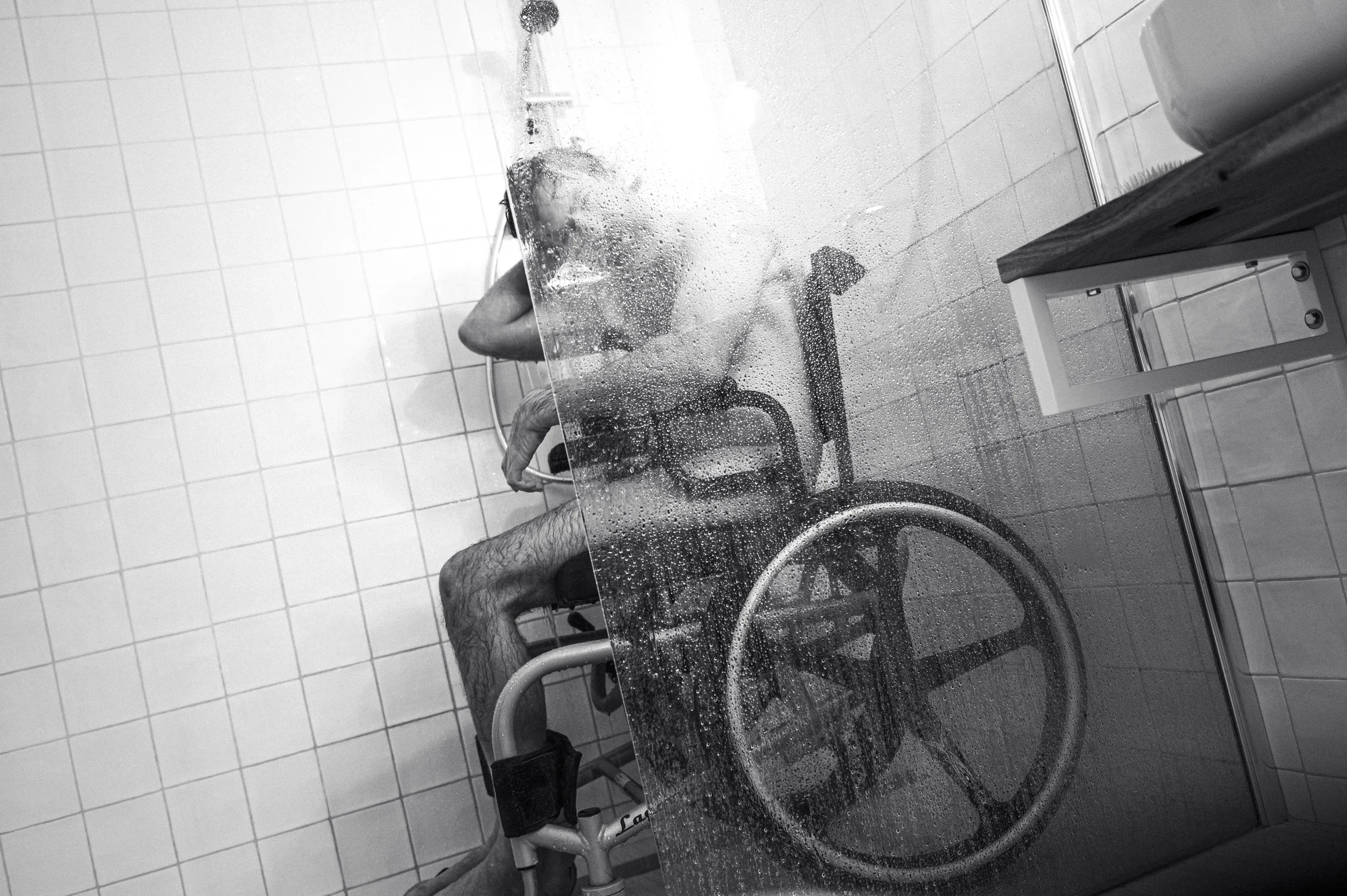
Photo: Ydwer.com
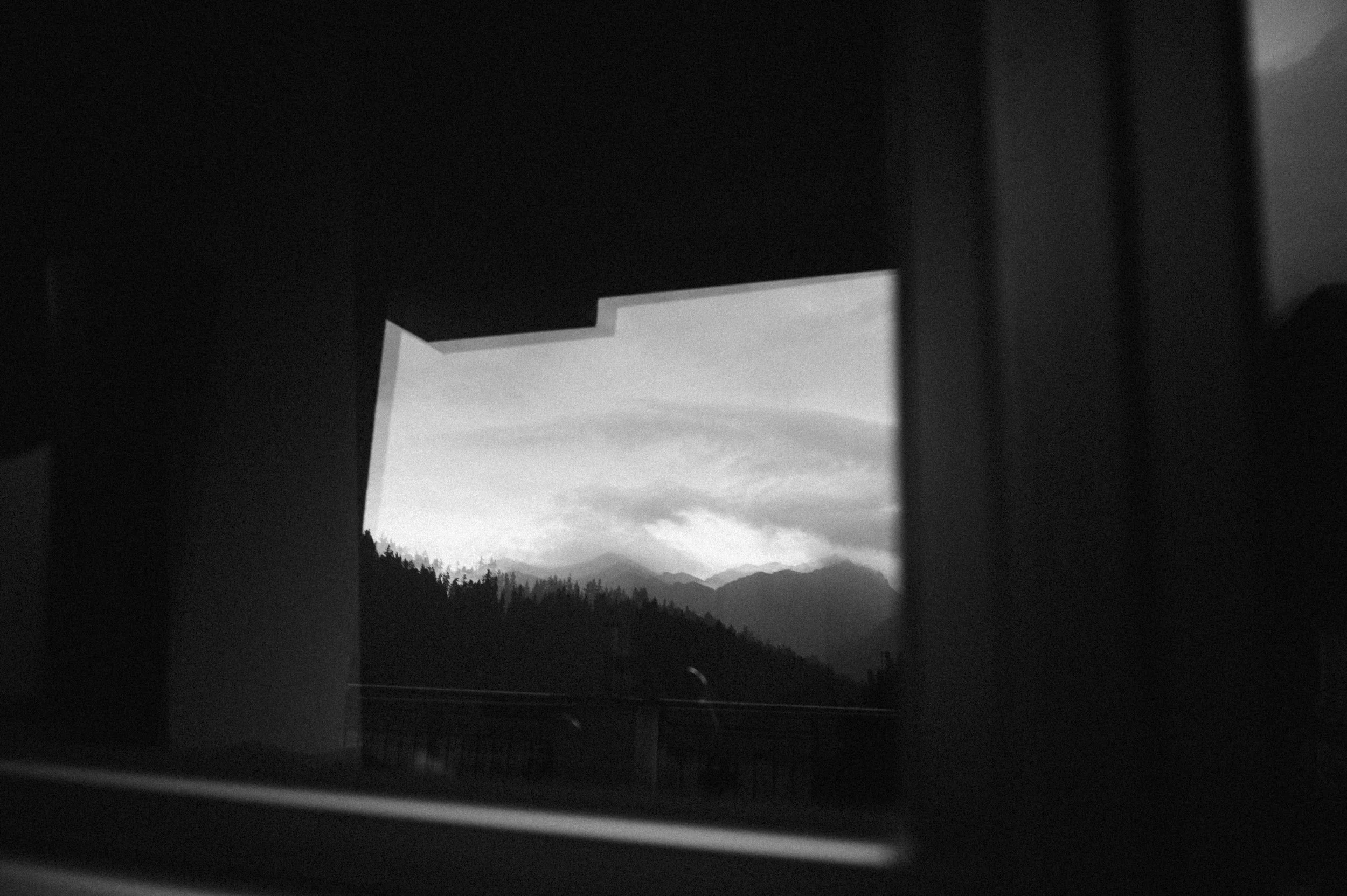
Photo: Ydwer.com
Learning to move again
My return to skiing didn’t start with a great view. It started on an indoor slope that smelled like rubber mats and recycled air. The first time I sat in a sitski felt awkward and a bit discouraging. A friend had to hold me upright the entire time, constantly correcting my balance. I remember thinking, this isn’t it. It didn’t feel like freedom at all; it barely felt like skiing. More like survival than anything else.
“I thought that part of me was gone, but the mountains were still waiting. I just had to find a new way up.”
The first attempt didn’t work very well. But I’m not a quitter. On the second attempt, something changed. My body started to pick up a bit of rhythm, those tiny movements finally translating into actual turns. For the first time, I saw potential. So my girlfriend and I decided to go all in and headed straight for real mountains.
Two days later, I was skiing independently. And almost instantly, a part of the old me woke up. Not fully, but enough to recognise the feeling: control, speed, choice. From the very first day, I wanted to go off-piste again. Powder, quiet slopes, my own lines. It felt like taking a pen to a blank page and starting fresh.
That was the goal: freedom.
A quick explanation for context:
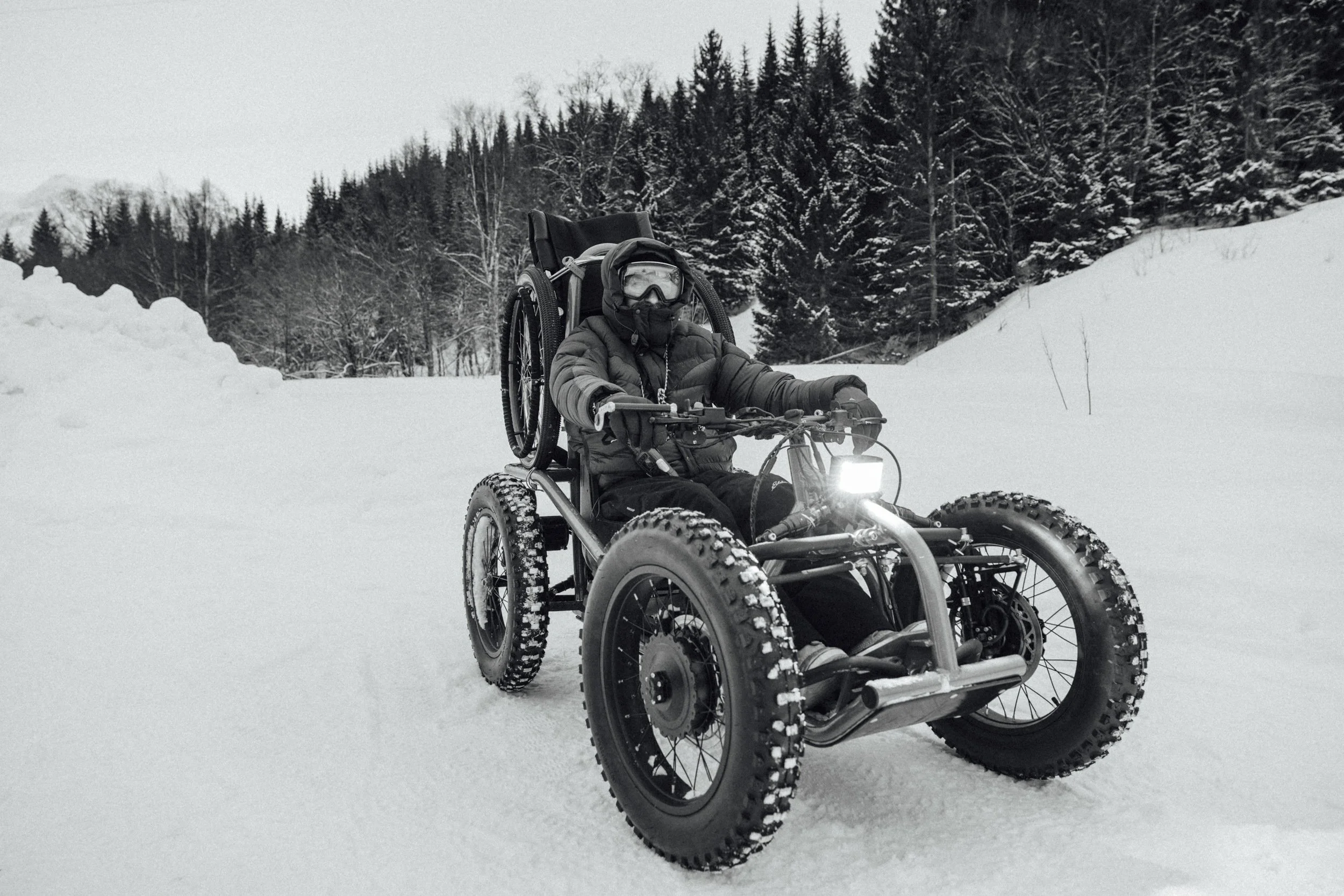
My spinal cord injury is high, paralysed from the chest down with limited strength in my arms, no grip in my hands, and very little trunk stability. A sitski is essentially a bucket seat mounted on a single ski with suspension underneath, and you’re strapped in tightly so your upper body doesn’t collapse. To stay balanced, you use small outriggers in your hands, like mini crutches with tiny skis on the bottom. Because I can’t squeeze, my hands are fixed to them with special gloves. That’s the setup, or at least the idea of how it’s supposed to work.
The weight of the past
Before my accident in 2021, my life revolved around motion. Surfing, snowboarding, mountain biking, and capturing that movement as a photographer. Everything I did was built on passion and the idea of a body that could keep up. Then, during the thing I loved most, a surf accident left me paralysed from the chest down.
From the very first day, I decided I would fight for everything I had left. I had a strangely positive mindset, maybe because giving up had never really existed in my world, not before and not after. Every small challenge became something to conquer. When I managed to pull on a sock for the first time during rehab, I high-fived my therapist with the same feeling I used to get at the bottom of a perfect run. The action was tiny, but the meaning was huge, no different from what it had always been.
That moment taught me that dreaming big was still possible. I just had to learn to dream differently. Dream smart. Every small victory now carried the weight of a mountain, and each one reminded me that my body still had more to give.
“Nothing prepares you for the silence above the Arctic Circle. It’s a silence that listens back.”
Norway – The dream reimagined
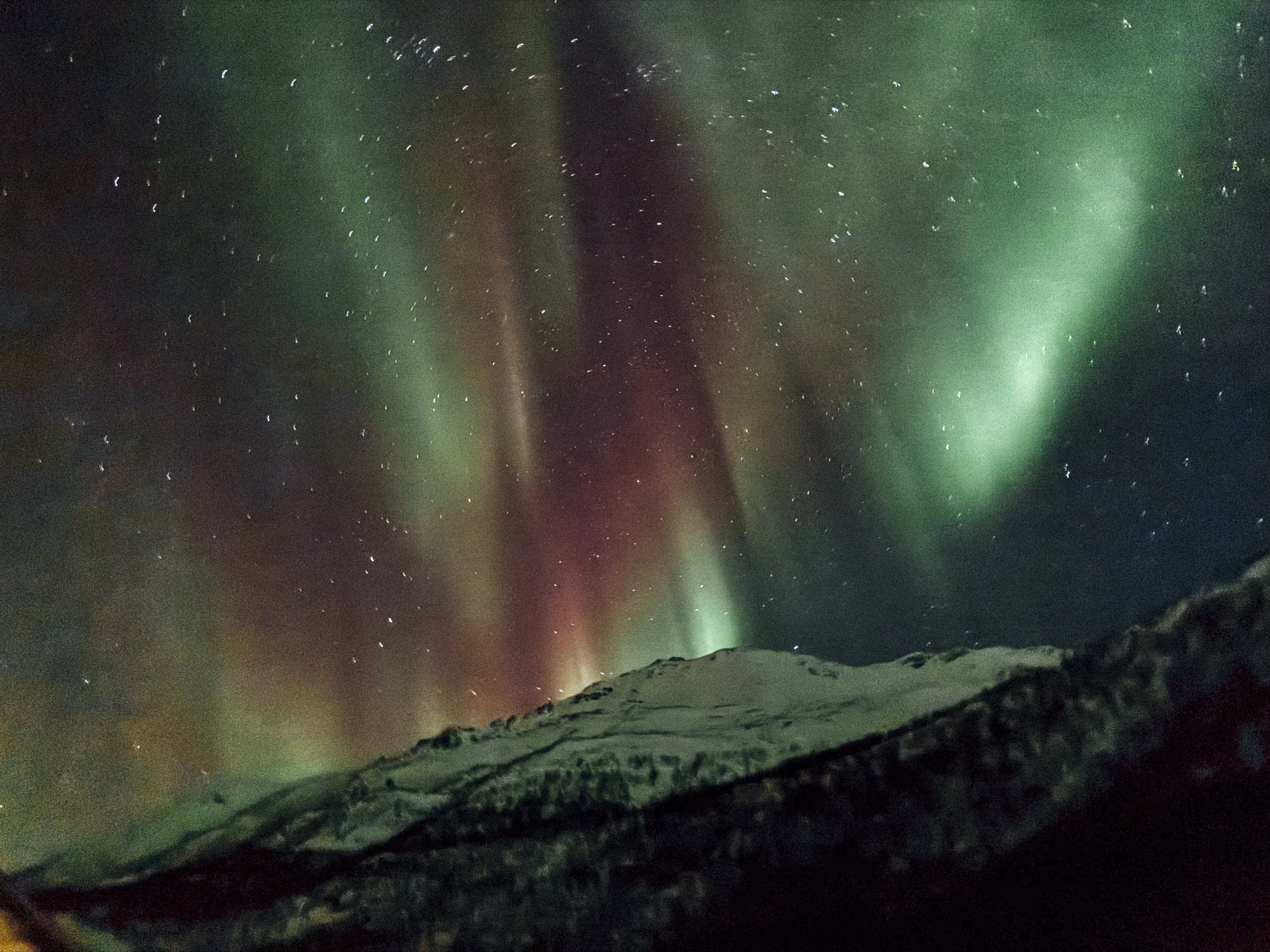
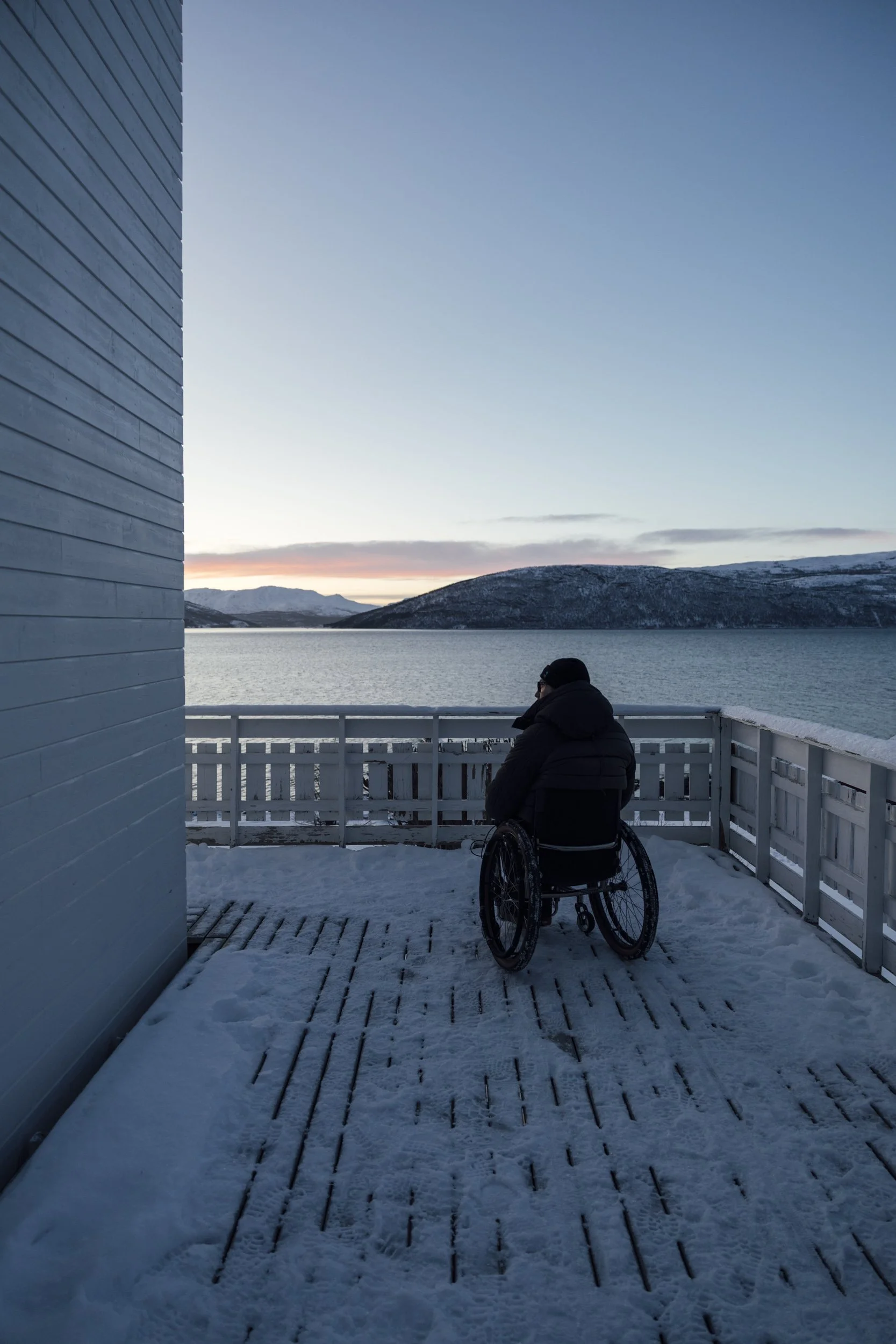
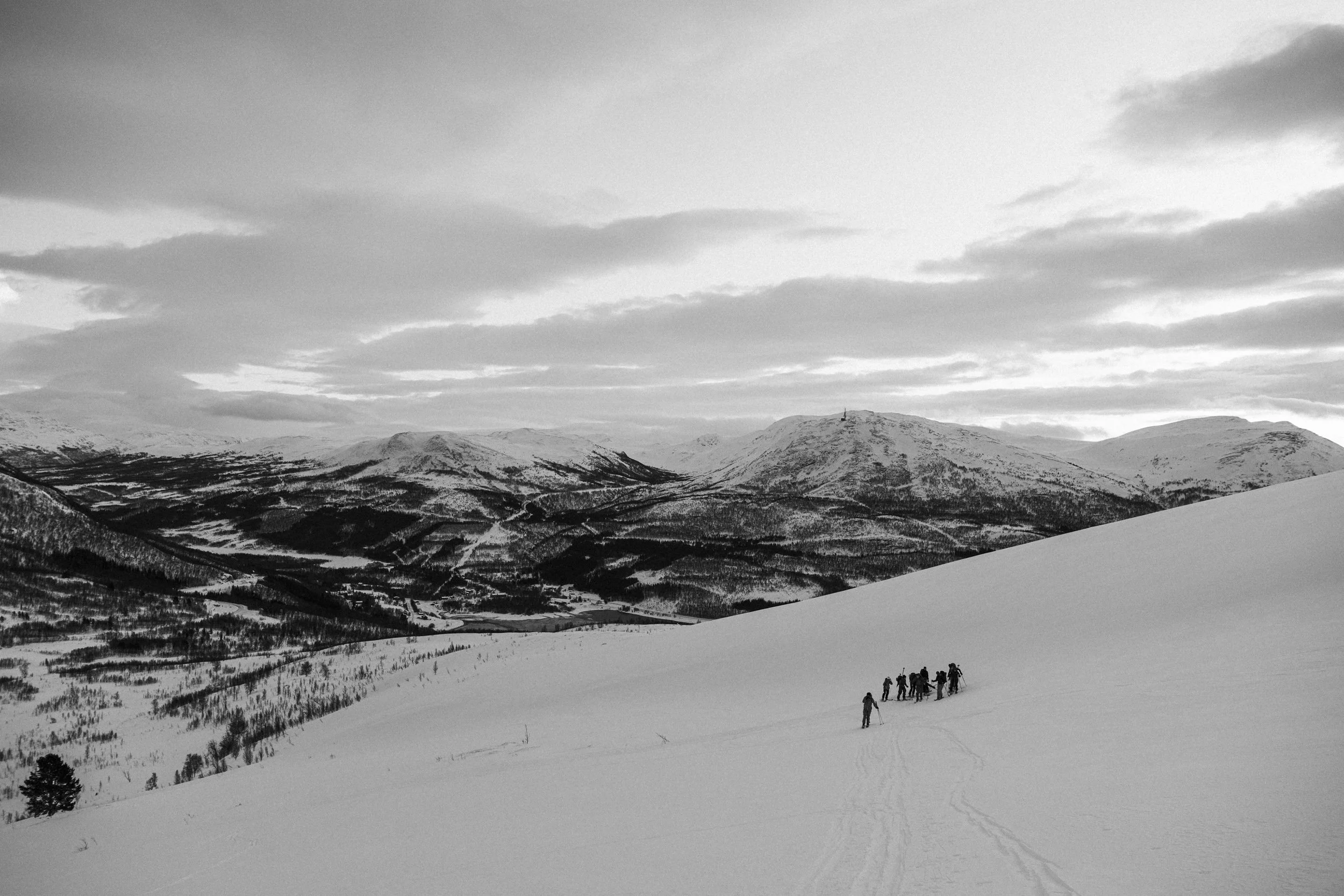
Norway entered the picture almost by accident through my work as Creative Director for an adventure travel company. Skiing above the Arctic Circle had never crossed my mind before, and I had certainly never travelled this far north or felt this remote. The landscape felt like a different world altogether: raw, quiet, and shaped by a blue light that replaced the sun during winter. The first time I saw the northern lights, green strokes across a dark sky, I knew immediately: okay, it’s time.
But one big question remained. How was I actually going to get up a mountain in a place like this?
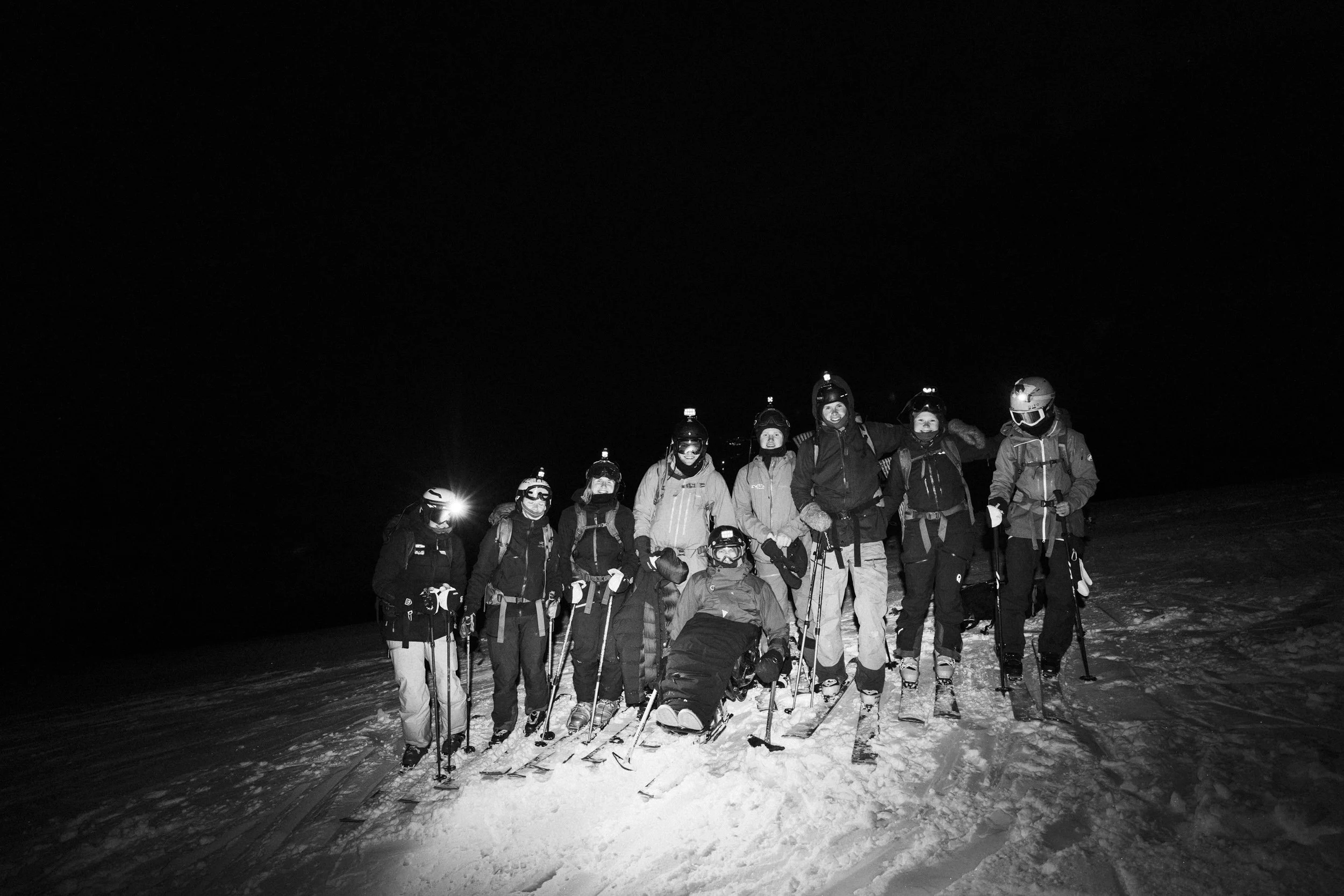
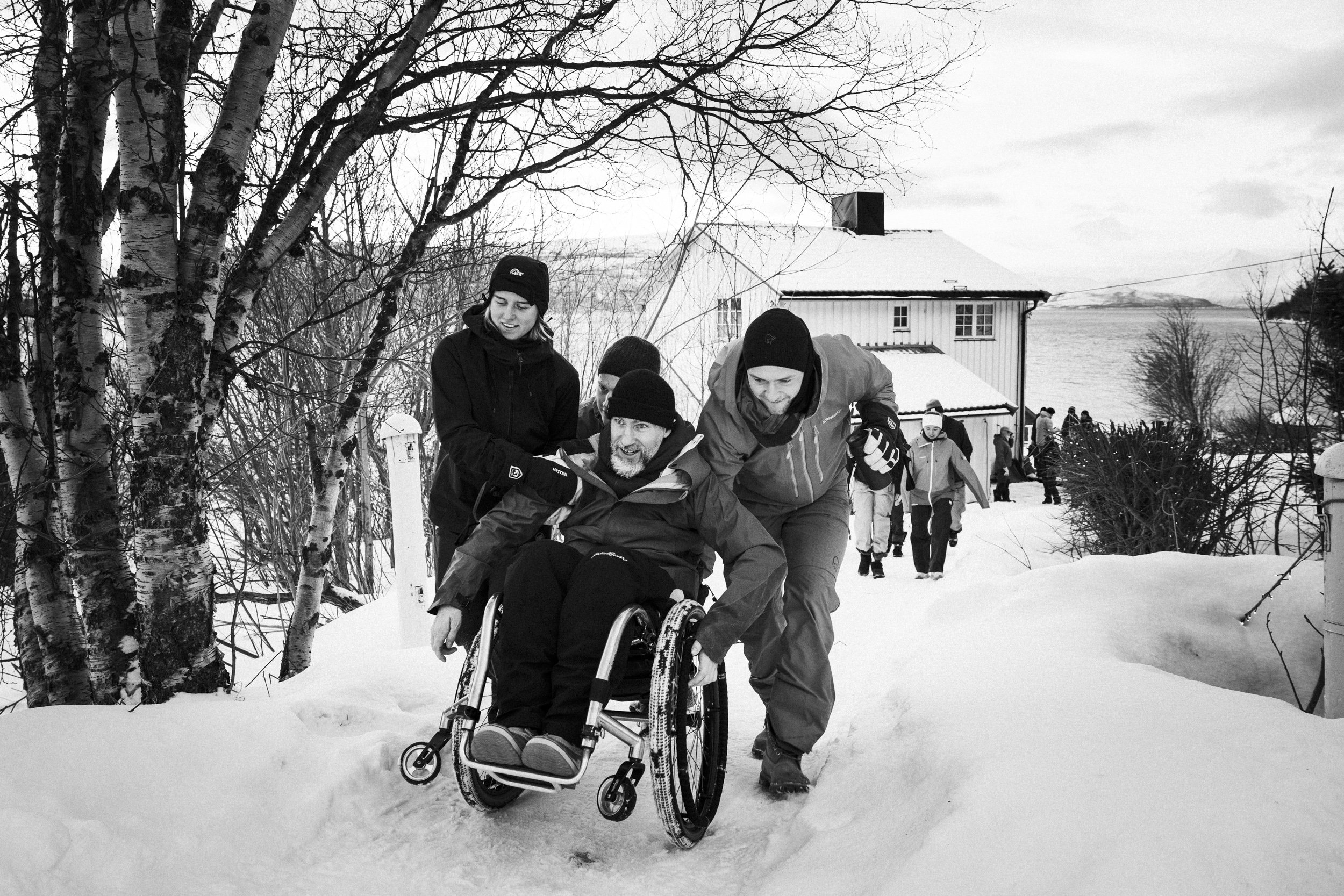
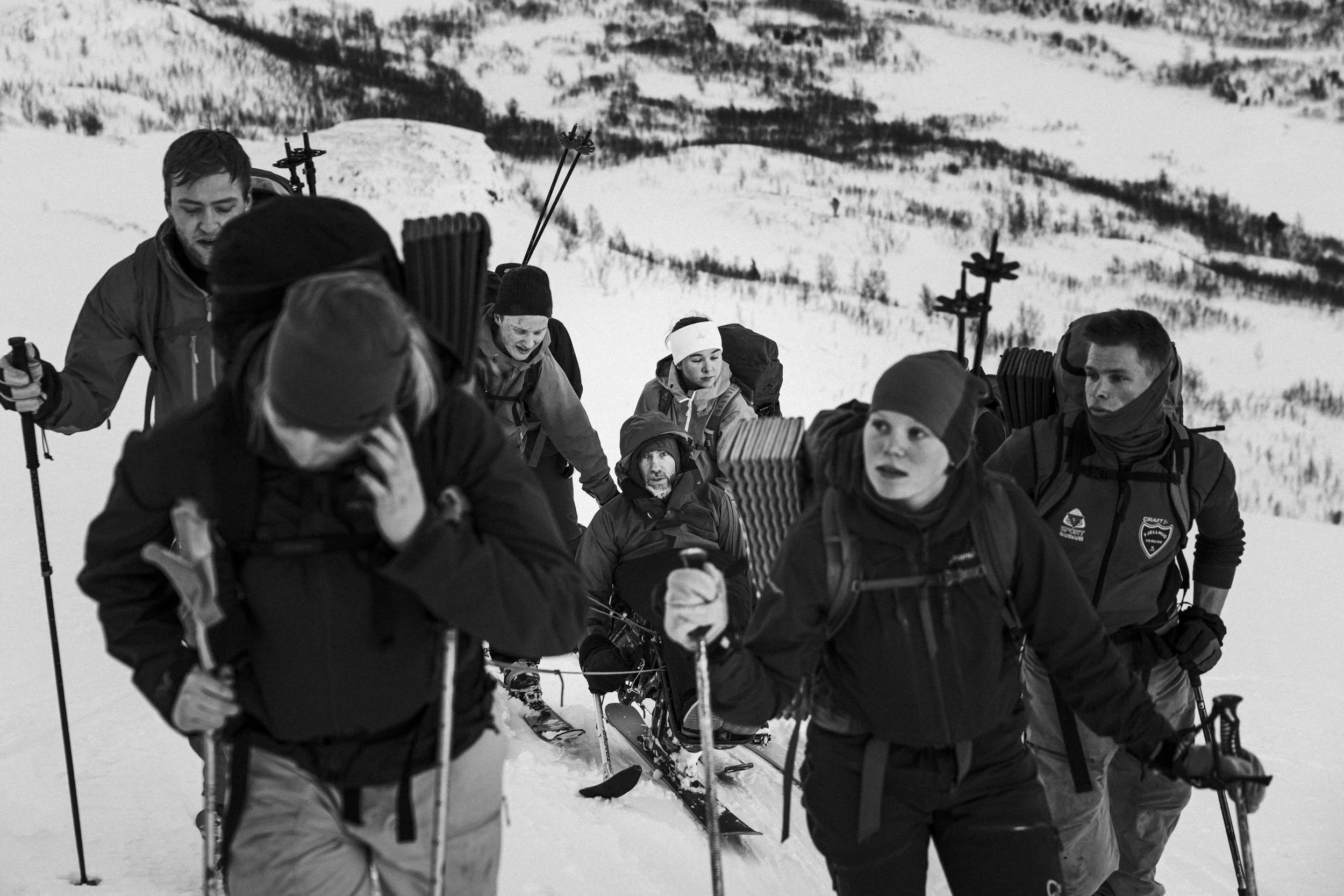
That’s where Fred Buttard came in, a French mountain guide with more than twenty years of experience in the region. He brought together a group of eight students from Alta Høgskolen, young, strong, and trained to move through Arctic environments with an ease I could only admire. They didn’t just know how to survive out there; they understood the land on its own terms.
These were the people who would pull me up the mountain.
The ascent
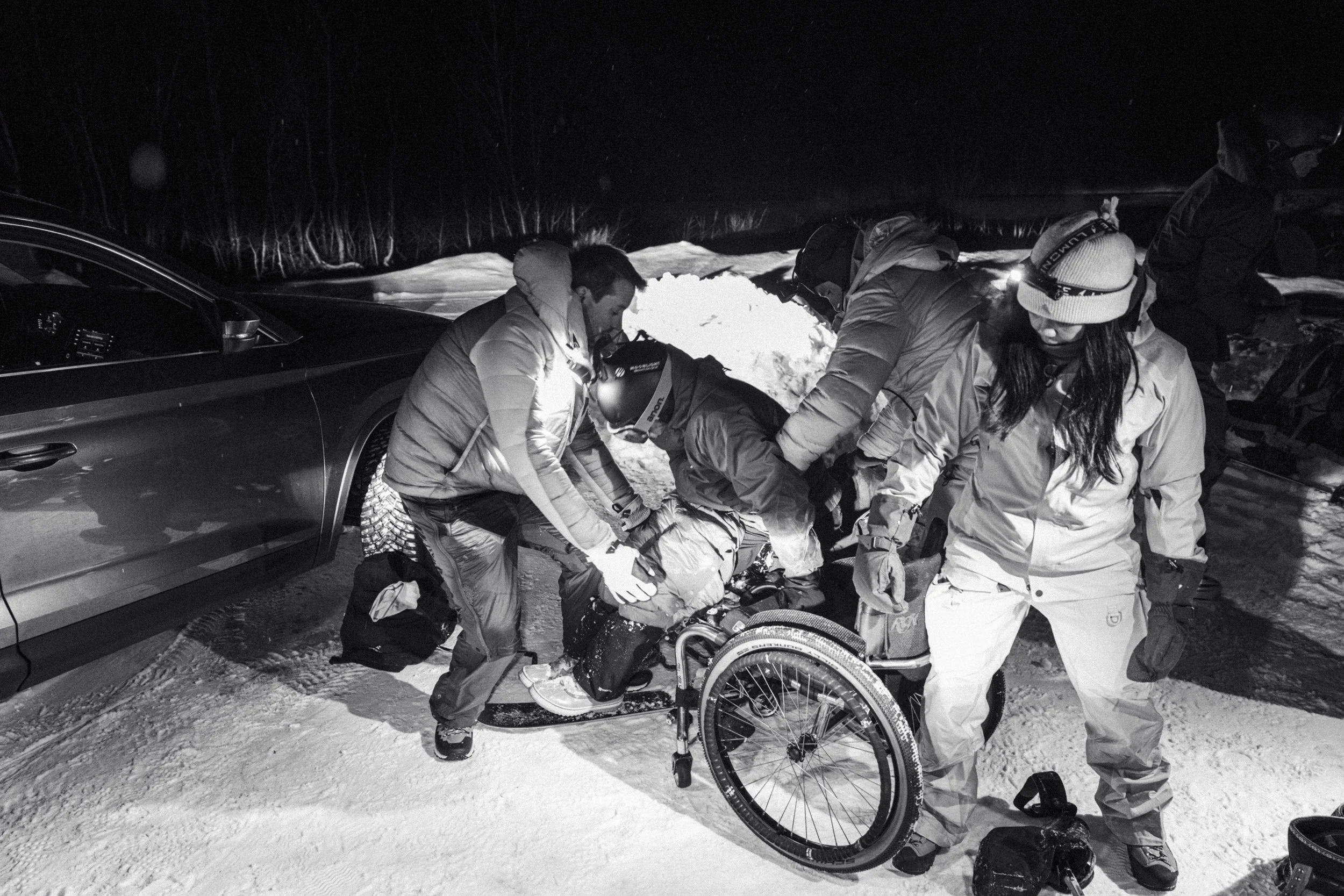
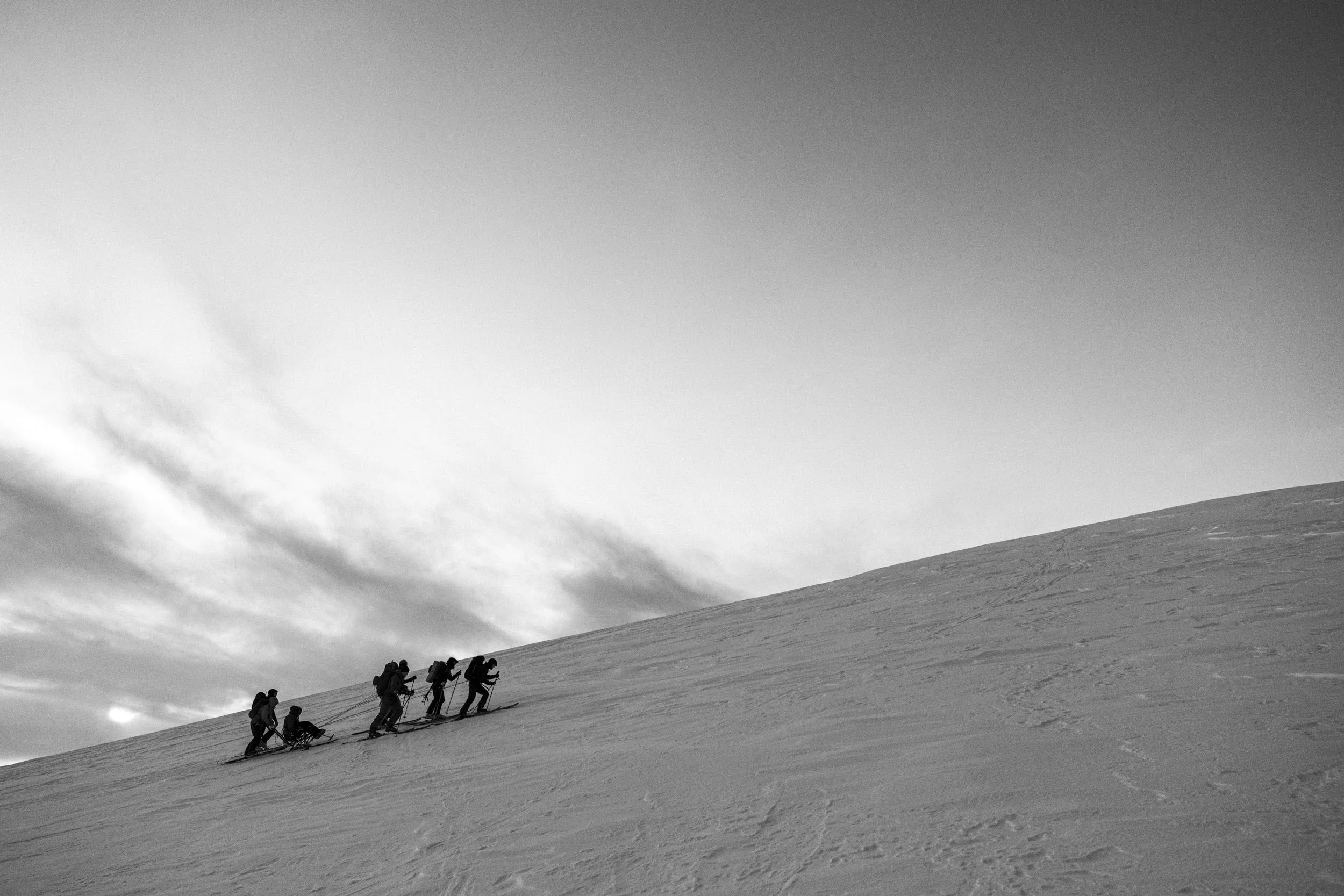
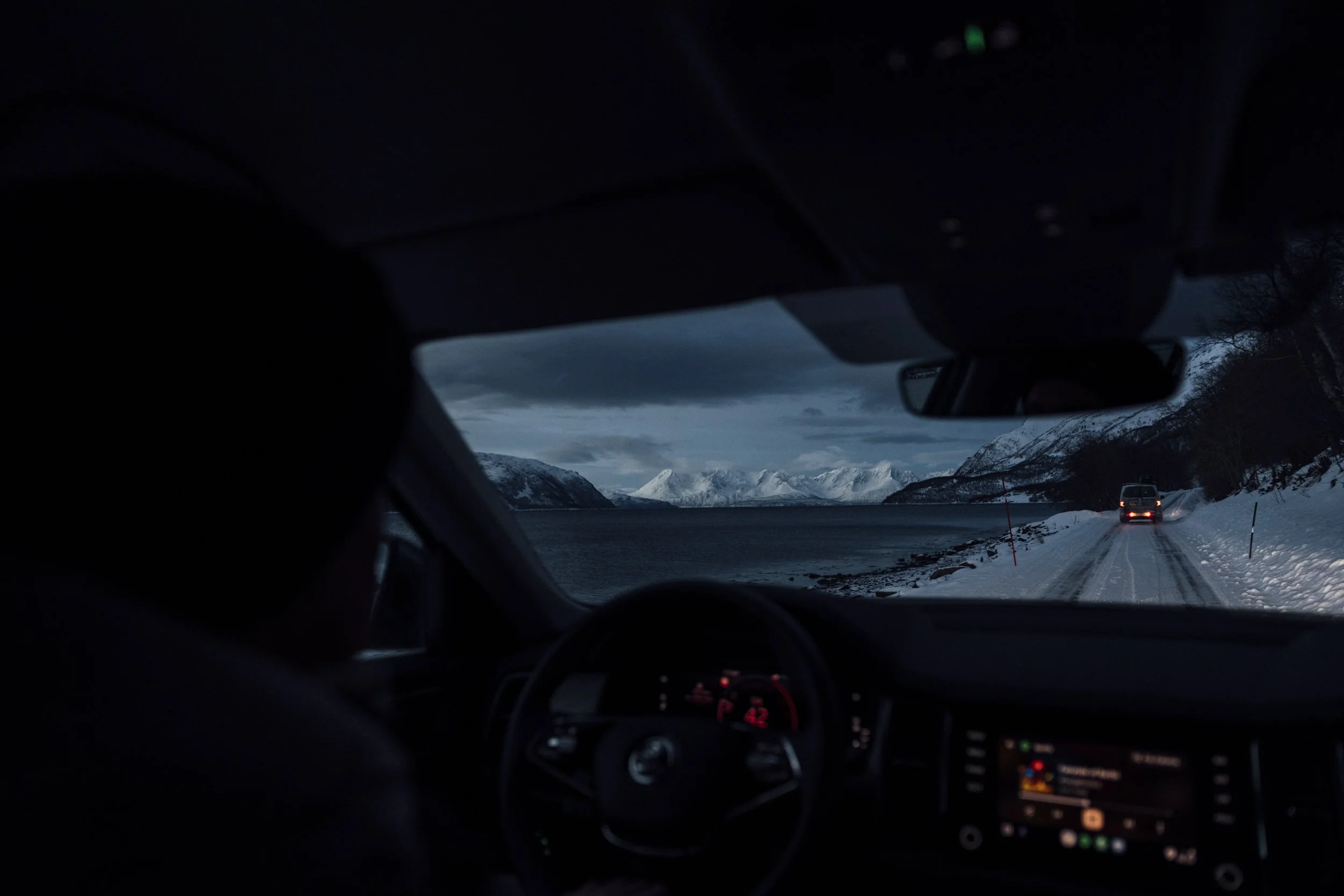
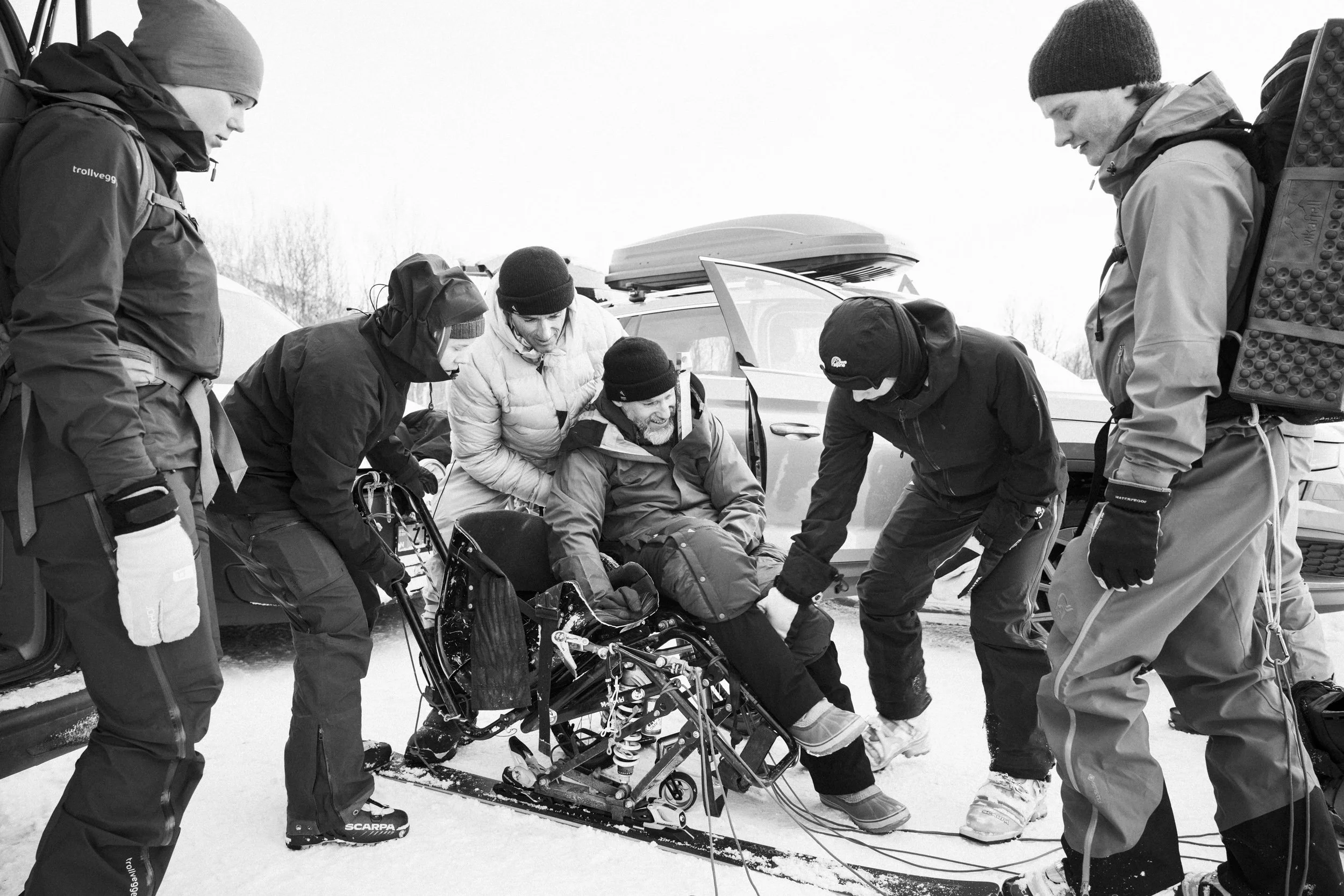
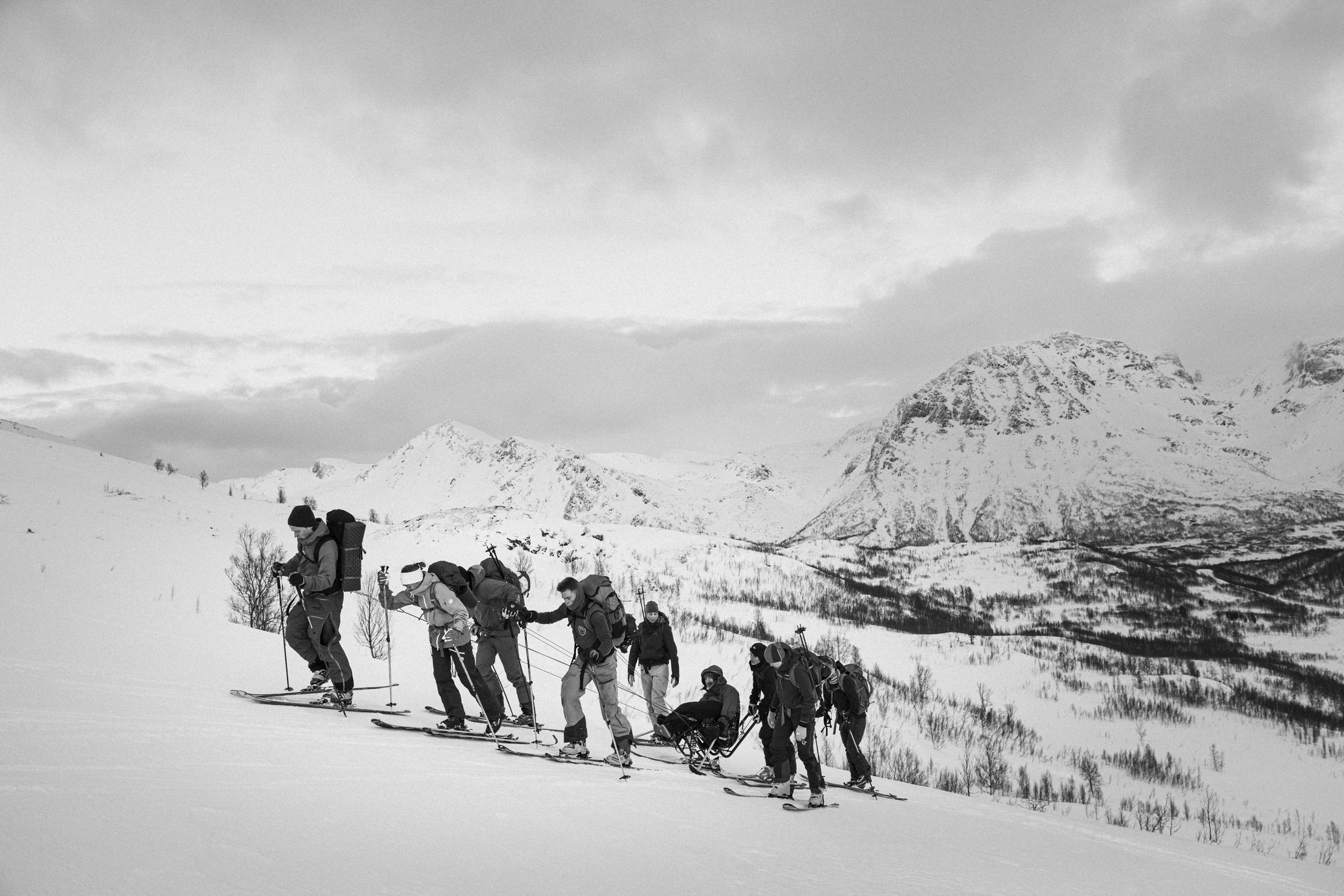
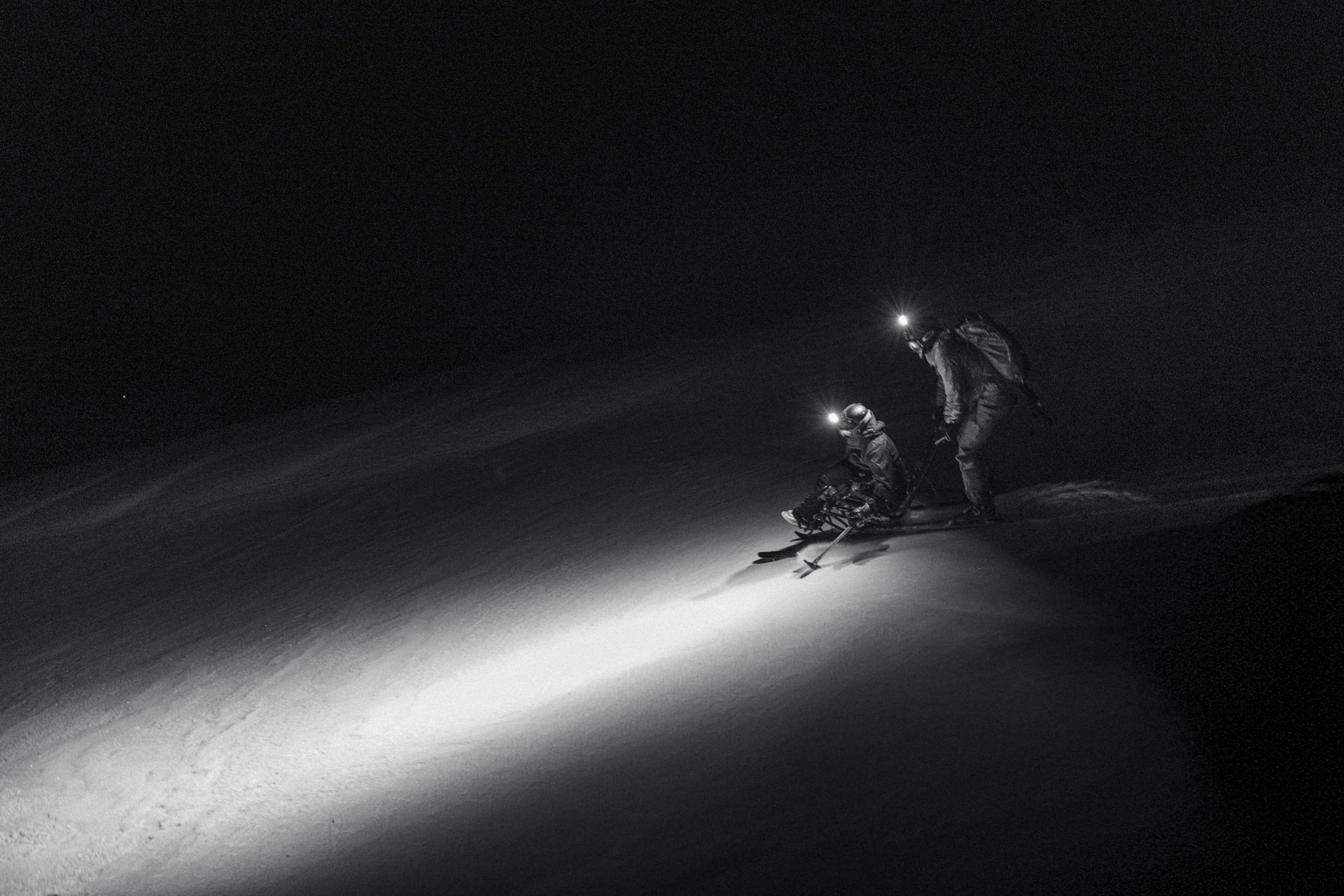
In the car before the ascent, I sat quietly, more curious than nervous, with no real idea of what was about to happen. Outside, the students were already attaching ropes to my sitski, moving with a confidence that suggested experience, even though it was their first time. Once I felt the familiar bulk of five layers of clothing around my body, I dropped into the seat and gave the signal to strap me in. They leaned into their harnesses, the ropes tightened, and suddenly we were moving.
For a brief moment, I thought maybe this would actually be easy. That was optimistic.
As the slope steepened, their pace slowed and the whole group shifted into a new rhythm. They shed layers, changed formation, and zigzagged up the mountain. The terrain tilted off-camber, forcing me to lean and compensate on one side the entire time. My muscles tightened and cramped, and slowly a different kind of cold began to creep beneath my layers. It was the first warning sign, not the cold from the air, but the kind that spreads from the inside when something isn’t right.
Still, I felt strangely calm. Their confidence had a settling effect on me. They moved naturally, talking in short, serious bursts of Norwegian, and even though I didn’t understand the words, I could feel how tuned in they were to each other. Meanwhile, the light was fading fast, turning the whole landscape blue. Normally, this is my favourite moment of the day to shoot photos, but I didn’t have the headspace to enjoy it. My focus stayed on the mission, on the small goal of getting just a little higher.
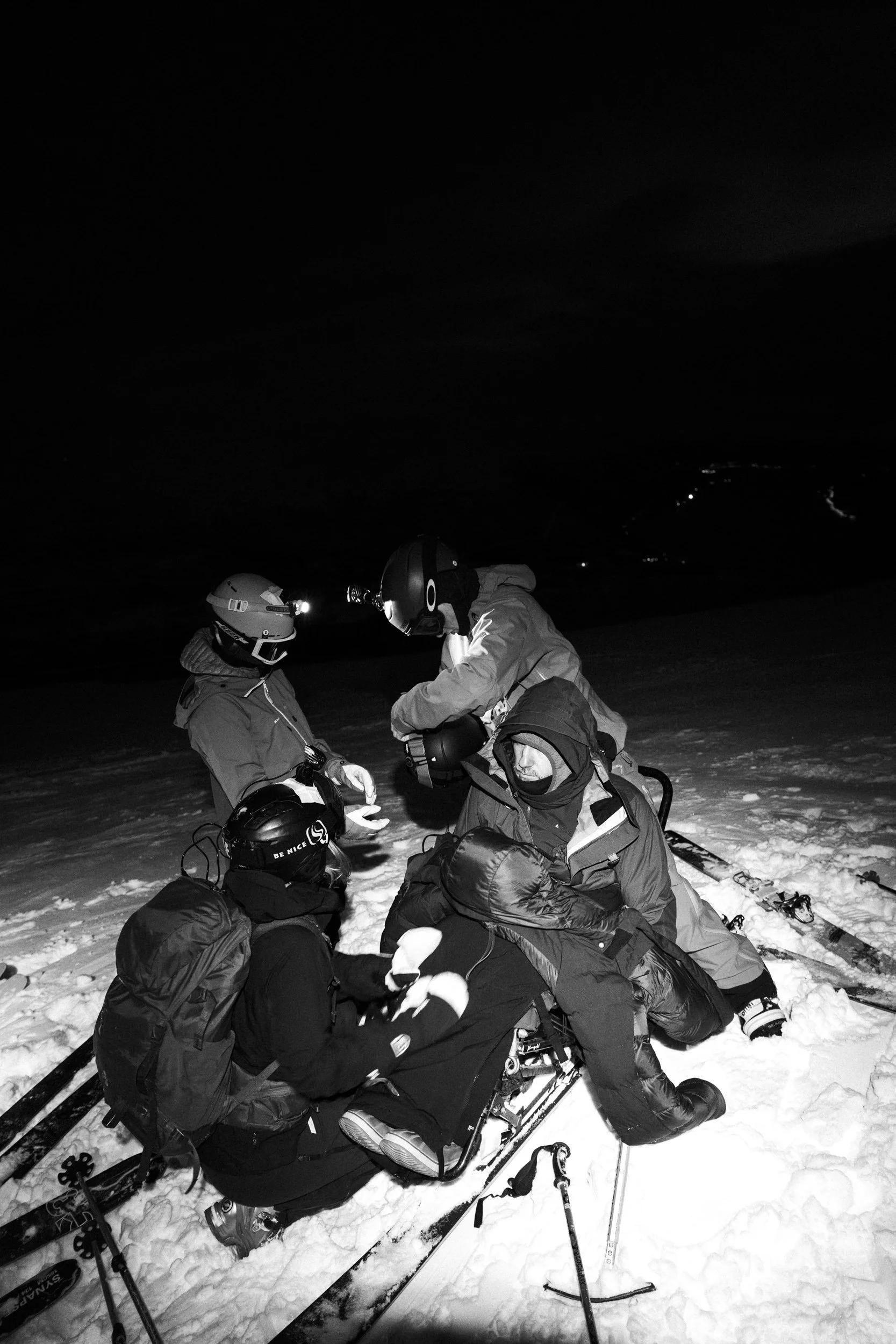
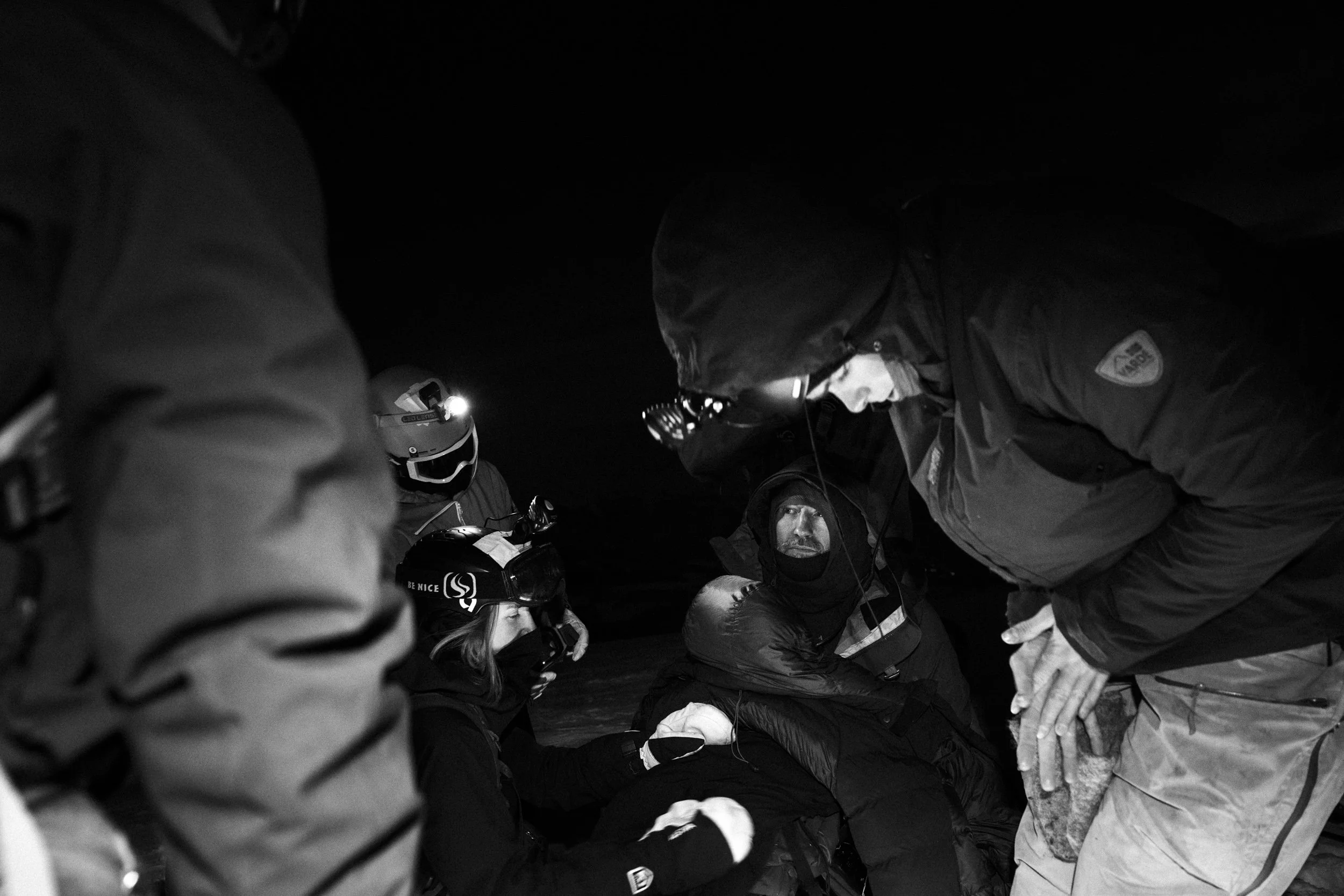
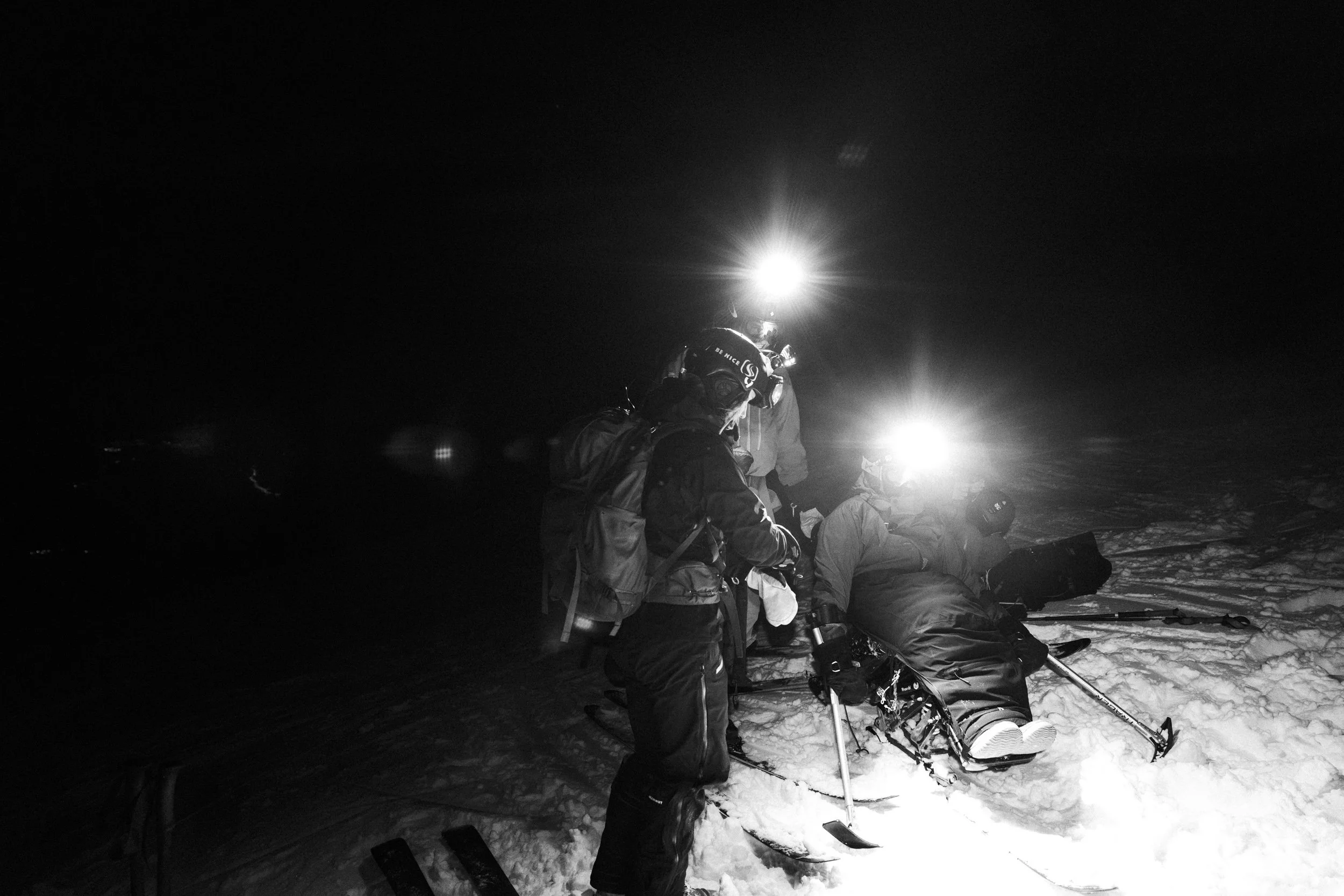
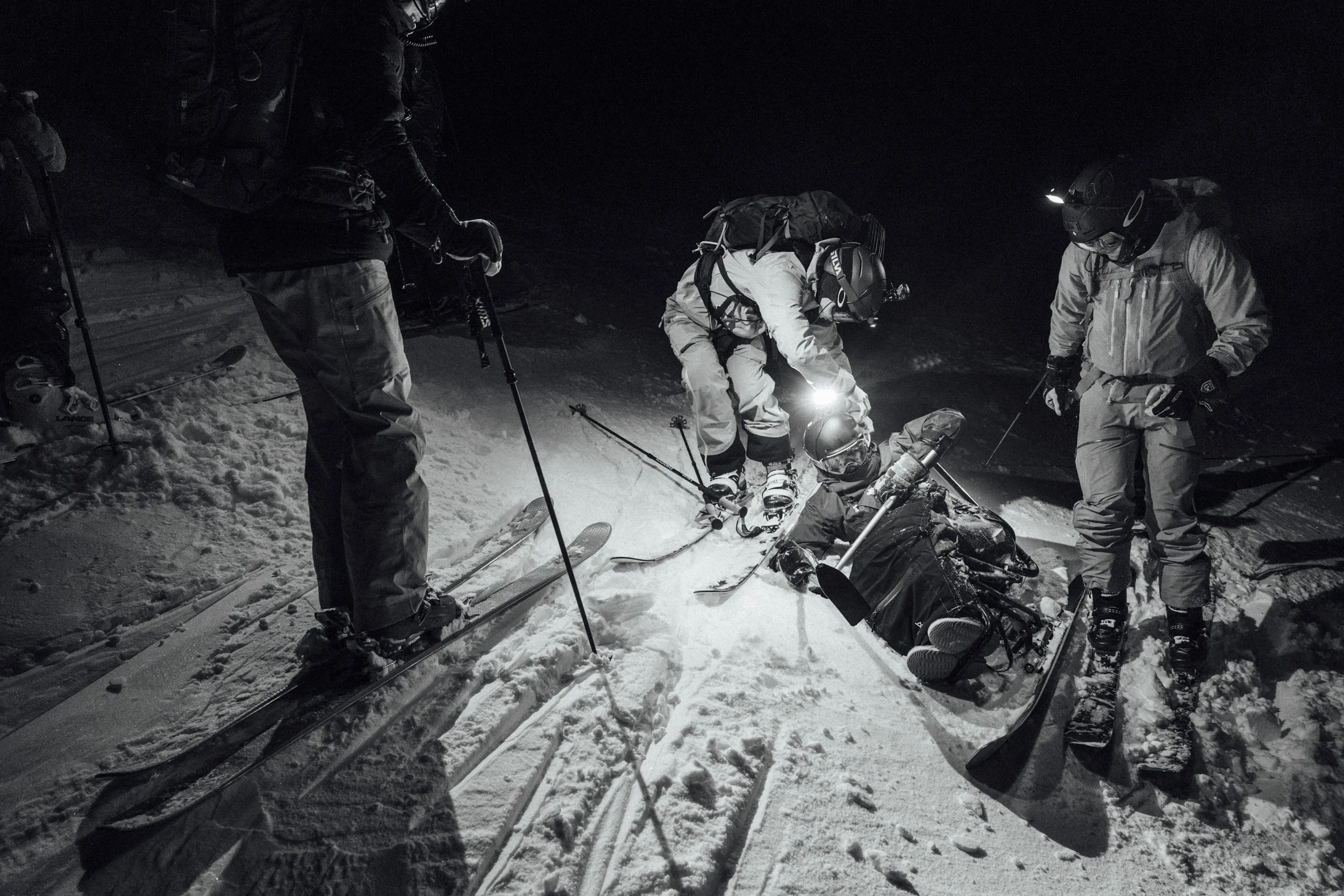
Then the numbness arrived, followed by shivers. Slowly at first, then all at once, came the realisation that I hadn’t listened to my body. I had been too focused on the summit. The cold had crept in from the inside, and I was too late to do anything about it. The first signs of hypothermia arrived quietly, without warning. A small voice inside me said, you didn’t listen this time, and I felt a quick rush of regret, followed by the calm understanding that I needed help.
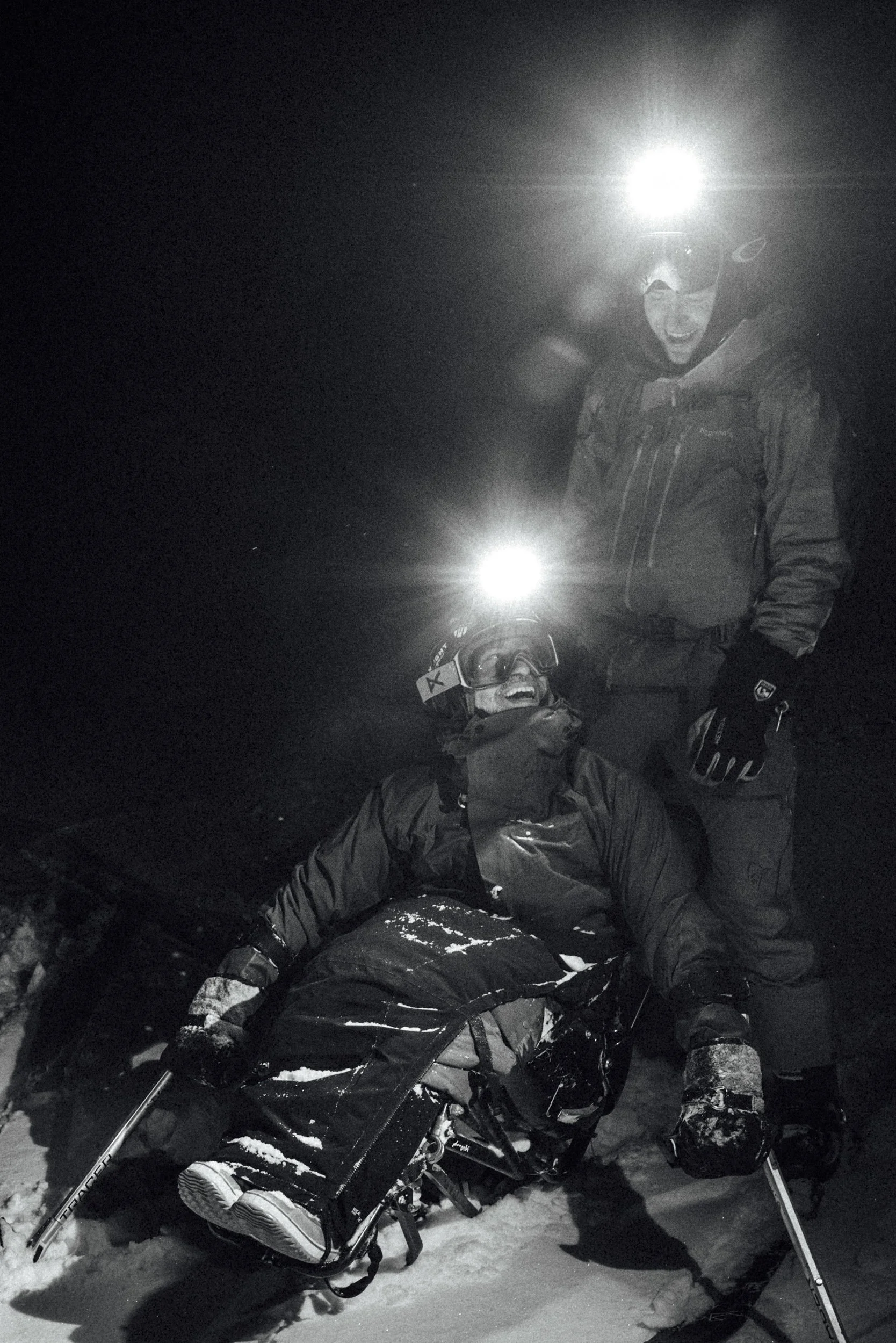
The students reacted immediately. No questions. No hesitation. Just action. Extra jackets came out. Hands rubbed warmth into my legs and arms. Headlamps switched on. The whole process was so calm and efficient that I didn’t even have time to worry. They simply took over because they knew exactly what had to happen.
Surrounded by darkness, a light breeze brushing past, skis scraping over snow, and the sound of my own breathing trapped inside my jacket, I felt tiny. Fear, acceptance, and trust settled into my chest. In that moment, I wasn’t in control anymore. Nature was.
The descent
When it was finally time to go down, I felt that mix of excitement and honesty, the moment where you admit the dream of skiing the mountain independently would have to wait. That same voice that warned me earlier returned with a quiet reminder: not today. I asked if anyone had experience guiding an adaptive skier. No one really did, but one student stepped behind me with a calm confidence, placed his hands on the back of my ski, and nodded as if to say, we’ve got this.
Then we dropped into the darkness.
At first the snow was uneven and unpredictable. I caught edges I couldn’t control, and every movement felt delayed. I zig-zagged cautiously, trying to settle into some kind of rhythm, and for a while it was just hard work, staying upright and reading the terrain through feel instead of sight.
“For the first time that day, I wasn’t surviving.
I was flying.”
Then the snow changed.
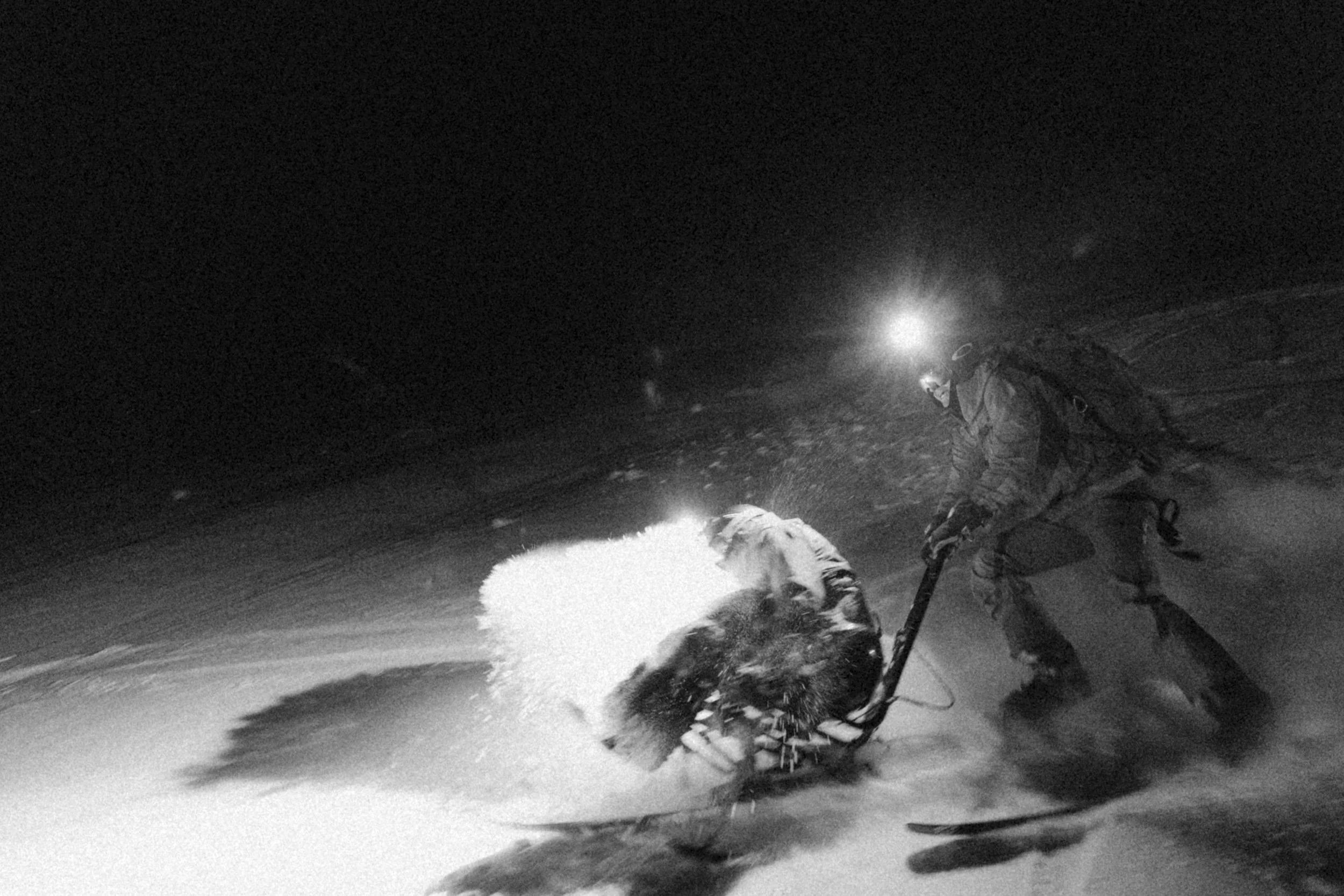
It softened just enough to let me catch a clean turn. The timing was right. The resistance disappeared. Everything suddenly felt smoother and lighter, as if the mountain had shifted from testing me to letting me in. For the first time that day, my body and the landscape were in agreement. I didn’t feel like a passenger anymore. I was dancing in the dark.
The joy came fast. I let out a scream, a real one pulled straight from my chest without thinking, and it lit up the whole group. Laughter and shouts echoed somewhere behind and beside me, a rush of relief and pure energy. I was surfing through powder, carving between birch branches, feeling warmth return to my body as rhythm took over. The hesitation dropped away. The doubt dropped away.
For the first time that day, I wasn’t surviving. I was flying.
By the time the lights appeared at the bottom of the mountain, the students, Fred, and the rest of the group, I could already feel the shift inside me. We rolled into a wave of hugs, relief, and big emotion, and it was instantly clear this wasn’t just my moment. It belonged to all of us, a shared victory built together.
A new kind of summit
That night, lying in bed under the northern sky, the thought that stayed with me was simple: I’m not done. Not even close.
This experience didn’t just show me what my body could handle; it showed me how far the line can stretch when trust is part of the process. It made me more aware of risk, but also more confident in how to prepare for it. Lessons I’ll carry into every future adventure.
Most of all, it changed my understanding of freedom. I used to think freedom meant independence. Now I see it differently.
Freedom means you can move forward together.
Adventure should belong to everyone. Inclusion isn’t about making things easier; it’s about making things possible. I’m grateful to the students of Alta Høgskolen for pulling me up, keeping me safe, and sharing something none of us will forget. I hope it inspired them as much as it inspired me.
We drew a new line together on that mountain. And for me, it was the beginning of many more.